
How to Lose Belly Fat Naturally: What Works?
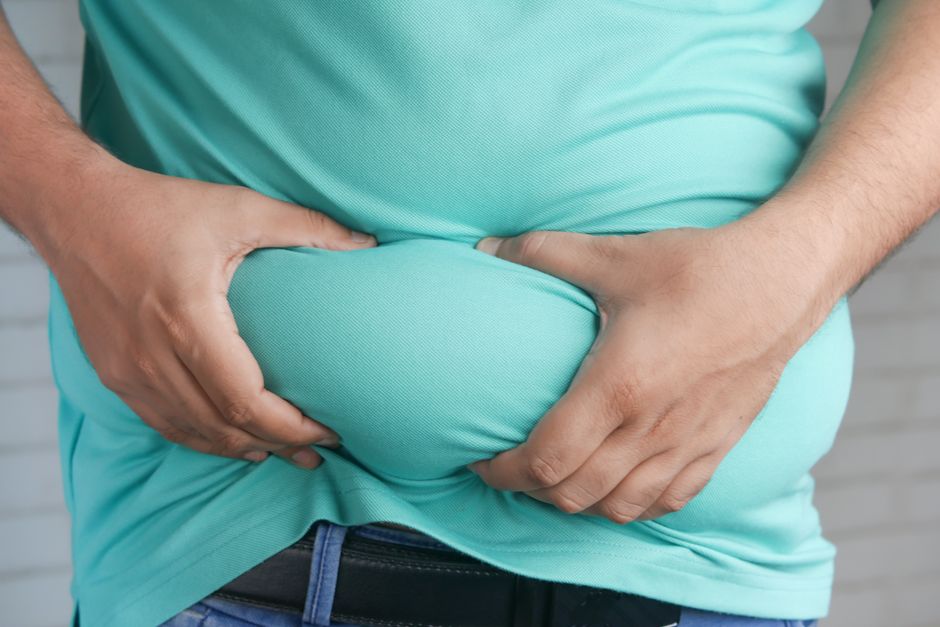
How to lose belly fat naturally: build a manageable routine that supports overall fat loss with nourishing food choices, regular walking or other aerobic activity, strength training, enough sleep, and stress management. Ab exercises can strengthen your core, but they do not selectively remove abdominal fat. Expect gradual, individual progress rather than a guaranteed timeline, and use repeatable habits—not detoxes or supplement promises—as your plan.
What is the most effective natural way to lose belly fat?
The most effective natural approach is a sustainable routine that supports overall fat loss, because the body does not let you choose where fat comes off first. That means pairing food habits you can maintain with regular activity, sleep, and stress management instead of searching for a single belly-fat fix.
According to the CDC’s Steps for Losing Weight, gradual loss of about 1–2 pounds per week is more likely to be maintained than faster loss; individual progress varies. That range describes general weight loss, not a guaranteed weekly change in waist size. The CDC also notes that a 5% reduction in body weight—for example, 10 pounds for someone weighing 200 pounds—can improve blood pressure, cholesterol, and blood sugar.
Use a simple operating plan: choose a few food changes, schedule movement you can repeat, and make sleep part of the routine. The point is consistency, not a perfect week. If progress slows, review the routine before adding punishing workouts or severe restrictions.
Can I lose belly fat without doing crunches or sit-ups?
Yes, you can lose belly fat without crunches or sit-ups because abdominal exercises do not selectively burn fat over the abdomen. Core exercises can build muscular endurance, but fat loss depends on broader habits that affect overall body fat.
In a randomized study of sedentary adults, six weeks of abdominal exercises improved curl-up performance but did not significantly change body weight, body-fat percentage, abdominal circumference, or other abdominal-fat measures. The PubMed study on abdominal exercise shows the distinction clearly: a stronger core is a useful fitness outcome, but it is not the same as losing the layer of fat over it.
Keep crunches if you enjoy them or want to train your core. Just treat them as one muscle-strengthening option, not the mechanism that makes waist fat disappear. For a broader plan, see What Is the Best Way to Burn Belly Fat?
What kind of exercise helps reduce belly fat?
A combination of aerobic activity and muscle-strengthening exercise is a practical foundation; no exercise type can promise fat loss from one specific body area. The CDC’s adult activity guidance calls for at least 150 minutes of moderate-intensity aerobic activity each week, such as brisk walking, or 75 minutes of vigorous activity, plus muscle-strengthening activity on at least two days a week that works all major muscle groups.
Those weekly totals can be broken into shorter sessions, and the CDC says some activity is better than none. A workable start might be brisk walks spread across the week and two strength sessions using movements that cover the major muscle groups. Increase in a way you can recover from and repeat; the best plan is the one that fits your schedule consistently.
Evidence supports whole-body activity rather than abdominal-only targeting. In a 24-week randomized trial of adults with abdominal obesity, exercise groups reduced fat across body depots more than the control group, with abdominal and visceral fat reductions distributed across the abdomen rather than confined to one region. Total skeletal muscle mass did not differ significantly from the control group, although some high-volume exercise groups lost upper-body muscle mass. The PubMed trial supports a measured approach: more volume is not automatically a better fit for every person.
How should I change my diet to lose belly fat without following a strict diet?
Make food changes that reduce friction and are easy to repeat, rather than following a rigid diet that is difficult to sustain. The sources provided do not specify a particular menu, calorie target, or food list, so a practical plan should focus on a consistent eating pattern instead of claiming that one food or detox produces belly-fat loss.
Start with a short review of your usual meals and identify one change you can maintain—such as planning meals ahead or making a default choice that helps you avoid unplanned eating. Keep the change modest enough to repeat through busy days. A routine that can survive an imperfect week is more useful than a strict rule abandoned after one.
Do not treat detoxes or “fat-burning” supplements as shortcuts. The research supplied here does not establish that either causes targeted abdominal fat loss. Put effort into the behaviors supported by the sources: an eating pattern that supports weight management, regular activity, enough sleep, and stress management.
Sleep is a practical part of the plan, not an optional extra. In an NIH-reported randomized trial of adults with overweight who habitually slept less than 6.5 hours nightly, the group that extended sleep by an average of 1.2 hours per night over two weeks consumed an average of 270 fewer calories per day than the control group. The NIH report says the study did not establish the long-term effect on weight; it also notes adult sleep guidelines recommend a minimum of 7 hours per night. Treat this as evidence that sleep can affect eating behavior, not a promise of a specific weight change.
Frequently Asked Questions
Does walking every day help reduce abdominal fat?
Walking can contribute to overall physical activity, which supports a fat-loss plan when paired with sustainable eating habits. The CDC includes brisk walking as moderate-intensity activity and says adults can accumulate activity in smaller sessions. Walking does not selectively target abdominal fat.
How much do sleep and stress affect belly fat?
The CDC includes enough sleep and stress management among the components of healthy weight management. In an NIH-reported trial, adults who extended their sleep consumed fewer calories on average during the study, but the trial did not establish a long-term weight effect. The available sources do not quantify how much stress or sleep changes an individual’s belly fat.
How long does it usually take to see belly fat loss?
There is no single timeline because individual progress varies. The CDC says gradual loss of about 1–2 pounds per week is more likely to be maintained than faster loss, but that is a general weight-loss rate, not a promise about when waist changes will appear. Track progress over time rather than judging the plan by a few days.
Can you lose belly fat without losing muscle?
A 24-week randomized trial found that total skeletal muscle mass did not differ significantly from the control group while exercise groups reduced fat, although some high-volume exercise groups lost upper-body muscle mass. This supports combining manageable exercise with a gradual approach, but it does not guarantee that every individual will preserve all muscle during fat loss.
Sources
- Centers for Disease Control and Prevention — Steps for Losing Weight
- Centers for Disease Control and Prevention — Adult Activity: An Overview
- PubMed — The Effect of Abdominal Exercise on Abdominal Fat
- PubMed — Separate Effects of Exercise Amount and Intensity on Adipose Tissue and Skeletal Muscle Mass in Adults with Abdominal Obesity
- National Institutes of Health — Getting Sufficient Sleep Reduces Calorie Intake
Disclaimer: This article is for general information only and is not medical advice. It is not a substitute for diagnosis or treatment by a qualified healthcare professional. Always speak to your doctor before acting on anything you read here.
Keep reading
How to Lose Belly Fat in a Month: What Works?
Lose fat gradually with a sustainable calorie deficit, filling meals, cardio, and strength training; belly fat cannot be spot-reduced.
What Is the Best Way to Burn Belly Fat?
The best way to burn belly fat is to reduce overall body fat with sustainable eating habits and regular aerobic and strength activity.

Which Prescription Weight-Loss Medication Works Best?
Compare semaglutide and tirzepatide trial results, side effects, treatment timelines, insurance access, costs, and weight regain after stopping.
What Should a Woman Weigh for Her Height?
Use BMI as a starting screen, then read waist size, muscle mass, fitness, menopause changes, and clinical markers together.