
How to Lose Belly Fat in a Month: What Works?
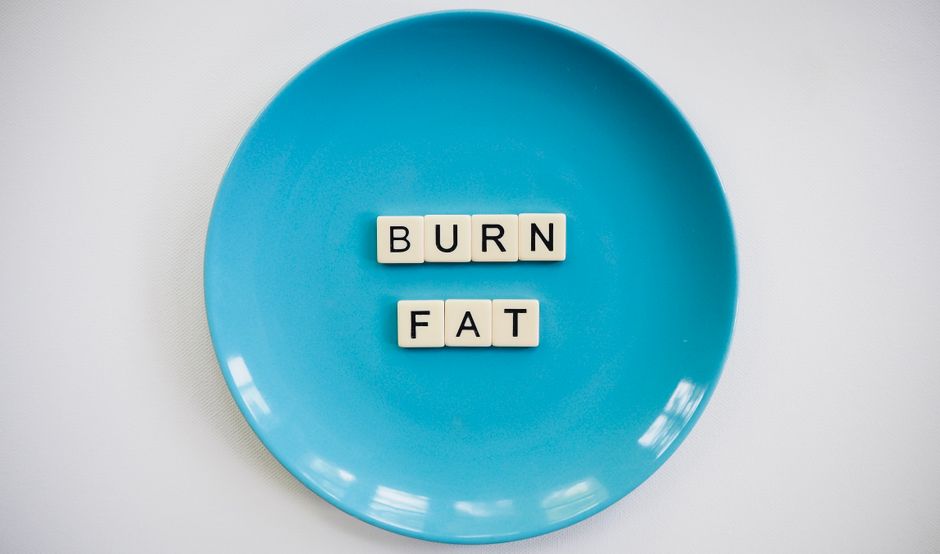
To learn how to lose belly fat in a month, aim for gradual overall fat loss rather than trying to target your abdomen: pair a sustainable calorie deficit with protein- and fiber-rich meals, regular aerobic activity, and strength training. The CDC says losing about 1–2 pounds per week is more likely to last, but your waist and weight may change at different rates.
Is it realistic to lose belly fat in one month, and how much can I expect to lose?
It is realistic to make progress in one month, but the amount of belly fat lost cannot be promised or isolated from overall fat loss. The CDC describes a gradual pace of about 1–2 pounds per week as more likely to be maintained than faster loss, which works out to roughly 4–8 pounds over 30 days; individual outcomes vary.
That range is a planning reference, not a pass-or-fail target. The CDC also notes that losing 5% of starting weight can bring health benefits; at a starting weight of 200 pounds, that example is 10 pounds. A month may be one step toward a longer-term goal, and a smaller change can still represent useful progress.
Use three measures rather than one: weight trend, waist measurement, and follow-through on the habits that support the plan. The CDC recommends specific, realistic short-term goals and tracking nutrition, physical activity, sleep, and stress. For a related overview of the underlying approach, see What Is the Best Way to Burn Belly Fat?
What calorie deficit should I aim for to lose fat safely in 30 days?
A safe starting point is a calorie deficit you can maintain while eating enough to support daily life and exercise; the provided sources do not set one universal daily calorie target for every adult. Needs vary, and a rigid number can mislead when body size, activity, health conditions, medications, and other factors differ.
The NIH Body Weight Planner explains why a simple calorie-to-weight rule can overpredict results: as calorie intake and body weight change, the body adapts and calorie needs change over time. Use the NIH Body Weight Planner to make a more individualized estimate, rather than assuming the same deficit will produce a fixed result every week.
For a practical check, record foods and beverages, including portion sizes. The CDC says calorie counting all the time is not necessary, but tracking can help reveal intake patterns; drinks and portions are easy to overlook. If the record shows a consistent routine but the trend stalls, adjust modestly rather than making a sharp cut. NIDDK also notes that calorie needs can shift as weight decreases.
Can I target belly fat with ab exercises, or do I need to lose fat overall?
You need to reduce overall body fat; ab exercises strengthen abdominal muscles but are not a reliable way to selectively remove fat from the belly. In a randomized trial of 40 overweight or obese women, adding abdominal resistance exercises to diet for 12 weeks did not significantly improve abdominal fat, waist circumference, or other measured outcomes compared with diet alone.
That does not make core work pointless. Include it as part of strength training, alongside movements that work the major muscle groups, but treat it as muscle-strengthening rather than a shortcut to spot reduction. A review published in Obesity Reviews recommends moderate-intensity aerobic exercise to reduce body weight, total fat, and visceral fat; it also recommends resistance training to help preserve lean mass during weight loss.
Build the month around a repeatable progression. Start at a level that fits your current routine, then add time or a session when it feels manageable. The goal is consistency, not an exhausting first week followed by missed workouts.
| Week | Aerobic activity | Strength training | Focus |
|---|---|---|---|
| 1 | Several brisk walks; begin building toward 150 minutes for the week. | 2 sessions covering all major muscle groups. | Set a schedule you can repeat and record completed activity. |
| 2 | Continue building toward at least 150 minutes of moderate activity. | 2 sessions. | Keep sessions manageable; note energy and adherence. |
| 3 | Aim for 150–200 minutes if your current fitness and schedule allow. | 2 sessions. | Maintain both forms of activity rather than replacing strength work with more cardio. |
| 4 | Continue the weekly aerobic target. | 2 sessions. | Review the month’s activity and set the next realistic target. |
The weekly activity targets reflect public-health guidance, not a guarantee of a specific amount of weight loss. The CDC recommends at least 150 minutes of moderate aerobic activity and muscle-strengthening activity on at least 2 days weekly. The evidence review recommends 150–200 minutes of moderate aerobic exercise for weight and fat loss, while noting that exercise-related weight loss varies and is generally no more than 2–3 kg across programs.
What should I eat to lose belly fat without feeling hungry?
Build meals around vegetables or whole fruit, a protein source, and a high-fiber whole grain when it fits the meal; that combination supports a sustainable eating pattern without requiring special “belly-fat-burning” foods. NIDDK lists lean meats, seafood, eggs, beans, lentils, nuts, seeds, and soy as protein options, alongside vegetables, whole fruits, and whole grains.
Use a simple weekly planning loop. Choose a few affordable protein staples and produce options, decide which meals they will anchor, and keep portions consistent enough to support your calorie deficit. For example, beans or lentils can serve as a protein choice, while vegetables and whole grains round out a meal. The useful plan is the one that fits your budget and can be repeated.
- Pick your anchors: Choose several protein foods and vegetables or fruits for the week.
- Plan repeatable meals: Reuse ingredients across meals to simplify shopping and preparation.
- Track the details that drift: Note drinks, portions, and added ingredients when progress is hard to interpret.
- Review, then adjust: Change one part of the routine at a time instead of overhauling everything.
NIDDK cites guidance to keep added sugars and saturated fat each below 10% of daily calories, and sodium below 2,300 mg daily. These are useful guardrails for food choices, not a requirement to eliminate particular foods. NIDDK’s central advice is to choose an eating plan you can maintain over time; a practical plan that meets the broad pattern consistently is more useful than a strict plan that quickly becomes unsustainable.
Frequently Asked Questions
Which combination of cardio and strength training works for fat loss in a month?
Build toward at least 150 minutes of moderate-intensity aerobic activity each week and strength work involving all major muscle groups on at least 2 days. A review recommends 150–200 minutes of moderate aerobic exercise for weight and fat loss, with resistance training to help preserve lean mass.
How do I measure belly-fat progress if my weight changes from day to day?
Record weight consistently and compare the trend rather than judging a single reading. Measure your waist under similar conditions and track food, activity, sleep, and stress so you can see whether the routine is consistent even when daily weight varies.
What should I do if my waist or weight does not change after two weeks?
First review your measurements and records for consistency, including drinks and portion sizes, and check whether the planned activity and meals happened most days. If the routine is consistent, make a modest adjustment to portions or activity and reassess; calorie needs can change as weight decreases, so avoid abrupt cuts.
Sources
- Centers for Disease Control and Prevention: Losing Weight
- NIDDK: NIH Body Weight Planner
- Kordi et al., PubMed-indexed randomized trial
- European Association for the Study of Obesity Physical Activity Working Group, Obesity Reviews
- Centers for Disease Control and Prevention: Balancing Food and Activity
- National Institute of Diabetes and Digestive and Kidney Diseases: Eating and Physical Activity
Keep reading
What Is the Best Way to Burn Belly Fat?
The best way to burn belly fat is to reduce overall body fat with sustainable eating habits and regular aerobic and strength activity.

What Is a Typical Routine for a 3-Month-Old Puppy?
A practical 3-month-old puppy routine for sleep, meals, potty breaks, play, training, and safe socialization.

Which Prescription Weight-Loss Medication Works Best?
Compare semaglutide and tirzepatide trial results, side effects, treatment timelines, insurance access, costs, and weight regain after stopping.

What Should I Build After Learning Python Basics?
Choose practical Python projects, build skills beyond tutorials, and compare beginner paths in data analysis, backend development, and automation.