
Which Human Foods Can I Safely Give My Dog as Treats?
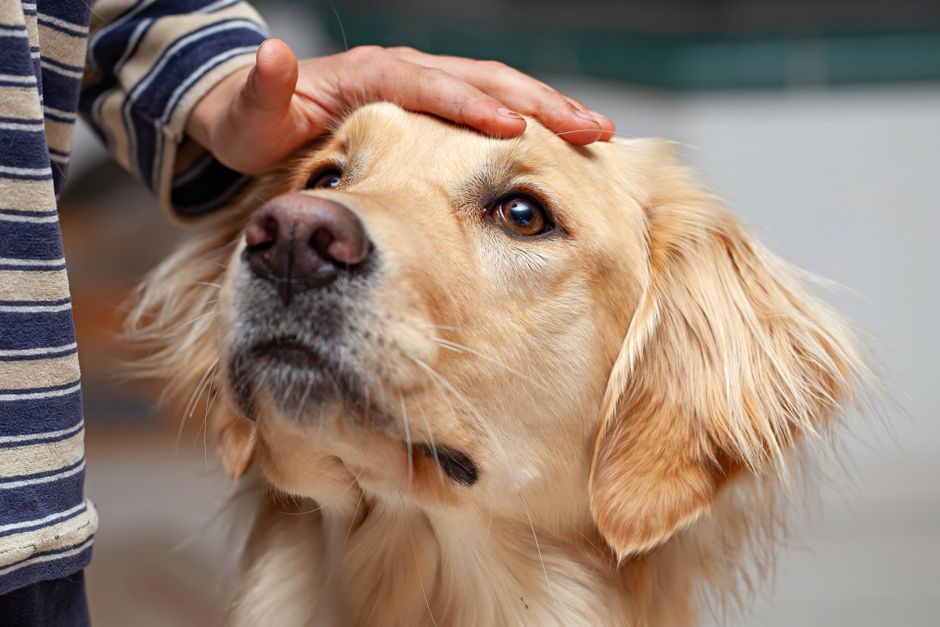
Safe human-food treats for dogs are plain, low-fat foods such as carrots, broccoli, snap peas, and small amounts of plain boiled chicken, kept below 10% of daily calories. Remove bones, pits, seeds, salt, and seasonings. Treat grapes, raisins, onions, chocolate, xylitol, and fatty scraps as urgent hazards, not occasional exceptions.
Which human foods are actually healthy treats for dogs?
Low-calorie, low-fat vegetables are the cleanest place to start: Cornell University College of Veterinary Medicine identifies carrots, broccoli, and snap peas as treat options. The point is not that every food from a kitchen is a dog snack. The point is to choose a plain food that adds little calorie load and creates little preparation risk.
Use this as a plain-food rule: offer the food without salt, sauce, seasoning, butter, batter, or rich leftovers. The American Veterinary Medical Association lists fatty foods, salty snacks, fruit pits, cooked bones, chocolate, grapes and raisins, onions, garlic, chives, macadamia nuts, yeast dough, alcohol, and xylitol products among household food hazards. A burger bite is not a treat strategy. It is an unknown mix of fat, salt, seasoning, and calories.
| Food or category | Practical preparation | Do not serve |
|---|---|---|
| Carrots, broccoli, snap peas | Serve plain, in manageable pieces. | Salt, butter, sauces, or seasoning. |
| Plain boiled chicken | Use a small amount, fully cooked and boneless. | Cooked chicken bones, skin, rich seasoning, or sauces. |
| Fruit | Do not treat fruit as automatically safe. | Grapes, raisins, and fruit pits. |
| Table scraps | Skip the shortcut and reserve regular food instead. | Fatty, spicy, salty, or processed scraps. |
The bone rule is simple: cooked chicken, turkey, and other soft bones can splinter and damage a dog's mouth or digestive tract, according to the American Veterinary Medical Association. Remove them before the food reaches the bowl. Do the same with fruit pits, which the AVMA also flags as a hazard.
For a lower-cost default, reserve part of the day's regular kibble for training or treats. Cornell and the AVMA both recommend that approach because it avoids adding calories while preserving the balanced diet your dog already eats. It is the pet equivalent of replacing a sugary drink instead of piling it on top of the day, a budgeting principle that also matters when considering whether fast weight-loss drinks work or sugary beverages should be replaced.
How much chicken, fruit, or vegetables can I give my dog?
Keep chicken, fruit, and vegetables under 10% of your dog's daily calories, then reduce regular food by roughly the calories supplied by treats. The AVMA sets the ceiling at less than 10% of daily calorie needs and advises owners to offset treats in the regular ration. That is the calorie guardrail. Without it, small extras become a second meal.
Do not guess a universal number of pieces or spoonfuls. The AVMA says a veterinarian should determine individual food choices, quantities, and calorie needs based on the pet's health and weight. A useful routine is to decide the treat budget first, measure the day's regular food second, and keep every extra inside that budget.
- Start with the base diet. Cornell recommends a commercial diet certified complete and balanced for the dog's life stage, or a home-prepared diet designed with a board-certified veterinary nutritionist.
- Create a treat allowance. Keep treats below 10% of total daily calories.
- Choose one plain option. Use vegetables or a small amount of boneless plain boiled chicken rather than mixed table scraps.
- Subtract, do not stack. Reduce the regular food by approximately the calories delivered as treats.
Chicken and rice have a narrow role. Cornell says plain boiled chicken and rice can be a temporary bland diet for diarrhea, but it is not nutritionally complete for long-term feeding. The replacement behavior is clear: use a veterinarian's guidance for an upset stomach, then return to a complete, balanced diet rather than extending the bland menu because the dog likes it.
Dogs with a sensitive gastrointestinal history need a tighter rule. Cornell advises small amounts of rich or fatty foods because overindulgence can contribute to pancreatitis. The cost of a “just this once” scrap can be vomiting, diarrhea, and a call to the clinic. Choose the plain, measured option instead.
Can dogs eat peanut butter, and how do I check it for xylitol?
Dogs can only have peanut butter after you read the ingredient label and confirm it contains no xylitol; any product labeled sugar-free deserves an immediate ingredient check. Merck Veterinary Manual reports that xylitol can appear in peanut and nut butters, gum, candy, baked goods, mints, vitamins, medicines, and other consumables. The label beats the front-of-package claim every time.
Run a label pause before serving or storing a product within reach. Weak version: “It is peanut butter, so it is fine.” Strong version: “Read the ingredient list; if it says sugar-free, check specifically for xylitol.” That small pause cuts through the most dangerous assumption in this topic.
Xylitol exposure is an emergency. Merck states that it can cause rapid hypoglycemia and, at higher doses, liver injury or failure; signs of hypoglycemia can begin within 30 minutes, although delayed absorption can push onset to 12 to 18 hours. Do not try to make the dog vomit at home after xylitol exposure, and do not rely on activated charcoal: Merck says charcoal does not bind xylitol.
Act in this order: remove access to the product, keep its container, call a veterinarian or poison-control service, and provide the dog's breed, age, weight, and observed signs. The Merck Veterinary Manual's xylitol guidance gives clinicians dose thresholds, but that is not a home-calculation exercise. If the label lists xylitol or the ingredient list is uncertain, make the call.
Frequently Asked Questions
What should I do if my dog eats grapes, onions, chocolate, or raisins?
Call a veterinarian, the ASPCA Animal Poison Control Center, or Pet Poison Helpline immediately; the AVMA says time is critical in suspected poisoning cases. Keep the package or food container, and have your dog's breed, age, weight, and observed signs ready. Do not wait for illness, because Merck notes that grape or raisin-related kidney failure can develop within 1 to 3 days.
Can human food replace some of my dog's regular meals?
Not as a routine substitute. Cornell recommends a commercial diet certified complete and balanced for the dog's life stage, or a home-prepared diet designed by a board-certified veterinary nutritionist. Plain boiled chicken and rice can be a temporary bland diet for diarrhea, but Cornell states that it is nutritionally incomplete and unsafe as a long-term diet.
Which people foods should dogs with pancreatitis, diabetes, or a sensitive stomach avoid?
Avoid rich, fatty, and spicy scraps for dogs with sensitive gastrointestinal histories because Cornell warns that overindulgence can contribute to pancreatitis. A 2024 JAVMA review says low-fat gastrointestinal diets are frequently recommended initially for dogs with pancreatitis, while individual plans must account for other conditions. For diabetes or combined disease, let a veterinarian set the food choices, quantities, and calorie target rather than improvising with table food.
Run this week's drill: choose one treat your dog receives often, read its label or preparation method, and write down its place in the daily 10% treat budget. Then replace one unmeasured extra with reserved kibble or a plain low-calorie vegetable. The goal is not more variety. It is a safer routine you can repeat.
Sources
- Cornell University College of Veterinary Medicine: Re-evaluating Your Dog's Diet
- American Veterinary Medical Association: Your Pet's Healthy Weight
- American Veterinary Medical Association: Household Hazards
- Merck Veterinary Manual: Food Hazards
- Merck Veterinary Manual: Xylitol Toxicosis in Dogs
- Journal of the American Veterinary Medical Association: Nutritional Management of Pancreatitis