
Is Tenerife's North or South Better for Your Winter Trip?
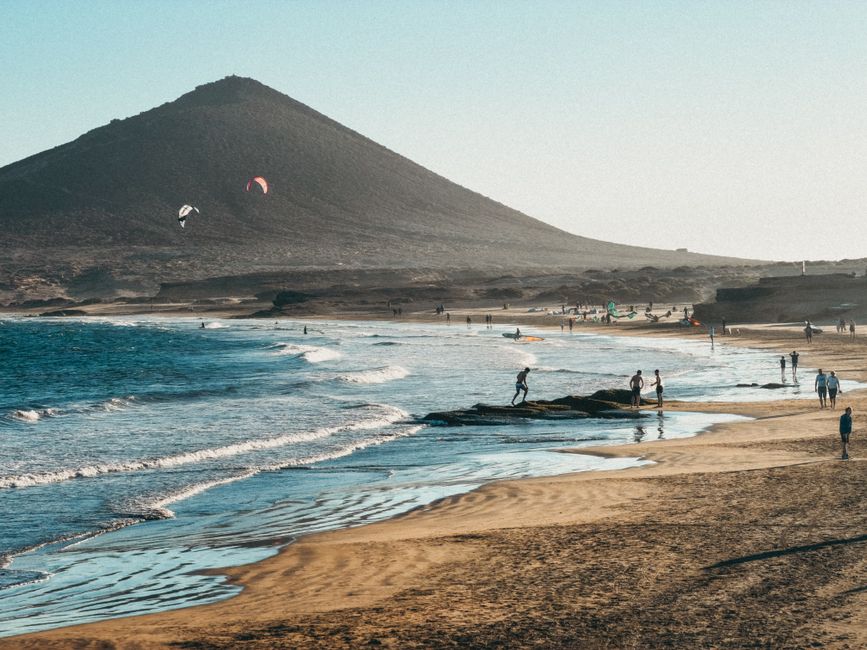
For the most dependable winter sunshine and a classic beach holiday, choose Tenerife’s south; for cooler weather, landscapes, food and a more town-centered stay, choose the north. AEMET’s 1981–2010 airport normals show a clear December contrast, though the airport stations are not resort forecasts. If you want both, TITSA’s Line 343 links Puerto de la Cruz and Costa Adeje, with a listed journey time of about 100 minutes.
Is Tenerife's north much colder or rainier than the south in winter?
Yes: AEMET’s airport climate normals show the north station cooler and wetter than the south station in December and January. The contrast is substantial in December, but each set of figures describes a specific airport station, not every town or beach on its side of the island.
For December, AEMET’s 1981–2010 normals for Tenerife Sur Airport give a mean temperature of 19.7°C, a mean daily high of 22.8°C, 30 mm of rain and 195 sunshine hours. Tenerife Norte Airport’s normals for the same month give a 14.3°C mean temperature, a 17.1°C mean daily high, 82 mm of rain and 137 sunshine hours.
That is a 5.4°C difference in mean temperature, 52 mm more rain and 58 fewer sunshine hours at the north-airport station. In January, the south-airport station records a mean temperature of 18.4°C, 17 mm of rain and 193 sunshine hours; the north-airport station records 13.1°C, 80 mm of rain and 150 sunshine hours.
These numbers make the broad winter trade-off plain: the north is cooler and has more rainfall in these station records, while the south is warmer and sunnier. The stations differ in location and altitude; Tenerife Sur Airport sits at 64 metres in Granadilla de Abona. Use the normals as a regional guide, not as a promise of the weather at your hotel. See AEMET’s Tenerife Sur Airport climate normals and Tenerife Norte Airport climate normals.
Which part of Tenerife is best for reliable winter sun?
The south is the better choice for reliable winter sun, based on the airport-station normals and the tourism board’s description of its beaches and year-round sunshine. It also concentrates coastal accommodation and leisure activities, making it the more direct match for a sun-and-sea break.
The south is not one single kind of holiday. According to the Tenerife Tourism Board, Playa de las Américas has many bars, restaurants, cafés and nightclubs. Los Cristianos offers a more relaxed coastal base, with beaches and a port for inter-island ferries. El Médano is known for windsurfing and kitesurfing, alongside a laid-back feel.
That gives visitors a useful way to choose a base. Pick Playa de las Américas when a busy evening scene belongs in the plan; Los Cristianos when a calmer beach-and-port setting fits better; El Médano when wind-powered water sports are the draw. These are distinct moods within the sunnier southern region.
The north makes a different promise. The tourism board frames it around landscapes, gastronomy and less-discovered places. A cooler, wetter station baseline does not make the north a poor winter choice; it makes it a less direct choice for a trip whose main goal is dependable beach weather. If scenery, local food and towns carry more weight, the climate trade can be worthwhile.
Is Puerto de la Cruz or Los Cristianos better for a first visit?
Los Cristianos is the more straightforward first base if your priority is southern beaches and a relaxed coastal stay; Puerto de la Cruz is the stronger fit if you want northern traditions, landscapes and culture alongside the coast. Neither town covers the whole island, so choose by the kind of days you want to repeat.
Los Cristianos has beaches and a port for inter-island ferries, according to the Tenerife Tourism Board’s southern-area guide. Its position within the south’s beach-and-leisure region supports a resort-focused visit. Nearby Playa de las Américas brings more nightlife; El Médano offers a different pace and a focus on windsurfing and kitesurfing.
Puerto de la Cruz gives a first-time visitor a coastal base with a broader northern setting. The tourism board lists its beaches, the saltwater pools of Lago Martiánez and Loro Parque. Nearby La Orotava is a base for historic architecture, Canarian food and crafts, and sits close to Teide National Park. The board describes the north as a place to discover traditions, gastronomy and craftsmanship.
For repeat visitors, the choice can be less about “best” and more about changing the shape of the trip. Someone returning for more beach time can choose a different southern town; someone who already knows the resort coast can use Puerto de la Cruz to focus on landscapes and culture. Public information here does not give a like-for-like comparison of prices or every beach condition, so compare accommodation and specific activities for your dates before booking.
A longer stay can include both. TITSA Line 343 links Puerto de la Cruz and Costa Adeje through Tenerife North and Tenerife South airports, and the operator lists the Puerto de la Cruz–Costa Adeje journey at about 100 minutes. That makes a split stay feasible by bus, though visitors should check the live timetable: weekday and weekend or holiday departures differ. A shorter trip is better served by picking one region and saving cross-island travel time.
Frequently Asked Questions
Can I travel between the north and south of Tenerife by bus?
Yes. TITSA Line 343 connects Puerto de la Cruz and Costa Adeje via Tenerife North and Tenerife South airports. The operator lists the Puerto de la Cruz–Costa Adeje trip at about 100 minutes; departures differ on weekdays and weekends or holidays, so check the current timetable.
Which area is better for beaches, local towns, and sightseeing?
The south is a strong choice for sandy beaches and coastal accommodation, while the north pairs beaches with landscapes, gastronomy and historic towns. Puerto de la Cruz offers beaches and the Lago Martiánez saltwater pools, and nearby La Orotava is a base for historic architecture, food and crafts. Your best fit depends on whether a resort stay or a town-and-landscape mix matters more.
The decision comes down to what you want winter to feel like. The south puts sunshine and beach life first; the north puts landscapes, towns and food closer to the center. A split stay trades some travel time for both versions of the island.
Sources
- Agencia Estatal de Meteorología (AEMET), Tenerife Sur Airport climate normals
- Agencia Estatal de Meteorología (AEMET), Tenerife Norte Airport climate normals
- TITSA, Line 343 Puerto de la Cruz–Los Cristianos
- Tenerife Tourism Board, Tourist Areas
- Tenerife Tourism Board, Tenerife South
- Tenerife Tourism Board, The North: Puerto de la Cruz and La Orotava Valley
Keep reading
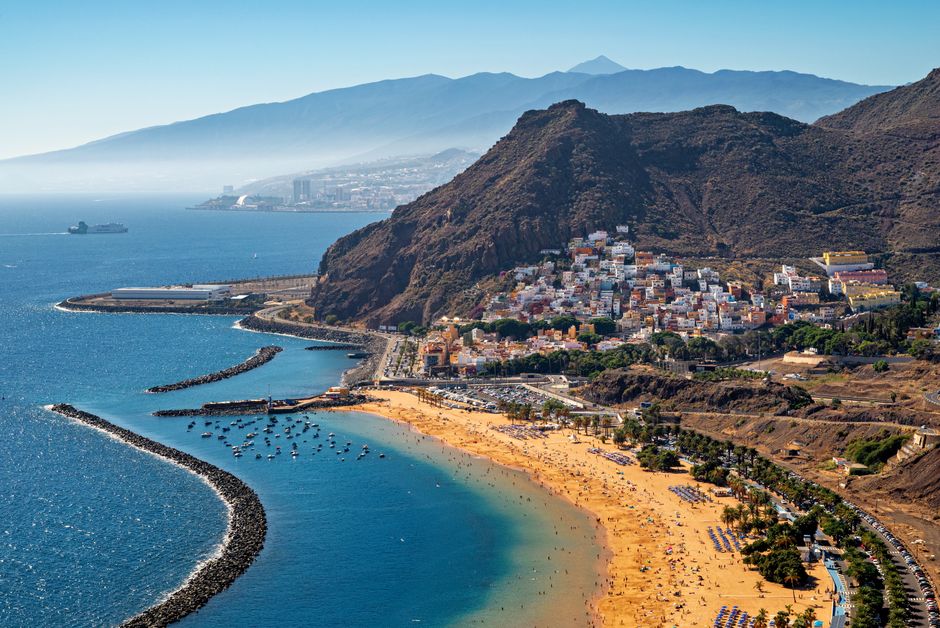
Tenerife Package or DIY Holiday: Compare Cost and Protection
Compare Tenerife package and DIY holiday costs, extras and booking protection, including what solo travellers should check.

How to Choose an Escorted Tour That Fits Your Pace and Budget
Compare walking pace, mobility support, room terms, group size, and emergency planning before booking an escorted tour as a solo traveller over 70.

Which Ferry Should I Take for an Overnight Stay on Mackinac Island?
Choose a Mackinac Island ferry departure, compare overnight parking, and plan luggage delivery around your hotel.

Costco Travel Last-Minute Deals: Value or False Economy?
Compare Costco Travel last-minute packages by total cost, included extras, price rules, and change restrictions before booking.